)
Many Shopify merchants invest in various marketing channels without strategically integrating them. The result: rising customer acquisition costs, stagnant sales, and a lack of scalability in growth.
Successful Shopify brands therefore view online store marketing not as a collection of individual measures, but as an integrated technical infrastructure. This system is designed to attract qualified visitors with purchase intent, convert them efficiently, and retain them over the long term.
Attract qualified traffic profiles that demonstrate strong purchase intent.
Converting inbound site visitors by eliminating friction in the user experience.
Promoting regular repeat purchase cycles, driven by automated post-purchase data triggers.
Maximizing customer lifetime value (LTV) to defend profit margins against rising advertising costs.
Quick Insight: What Is Online Marketing, Exactly?
The definition of online marketing (also commonly categorized as digital marketing or Internet marketing) encompasses all strategic processes and technological systems used to promote products and services via web-based platforms, segment target audiences, and generate measurable revenue in the digital space.
Table of contents
Do you need support for your online marketing for Shopify? As Shopify experts, we are happy to assist you and help your store stand out from the crowd. Contact us.
The Foundation: The E-Commerce Marketing Mix
The marketing mix coordinates all activities aimed at achieving the company’s goals. In e-commerce, the 4 Ps work together seamlessly:
Product: High-quality, problem-solving products.
Price: Margins and prices that define the customer acquisition budget.
Place: The store infrastructure (Shopify), including load times and checkout.
Promotion: Multichannel campaigns for customer acquisition.
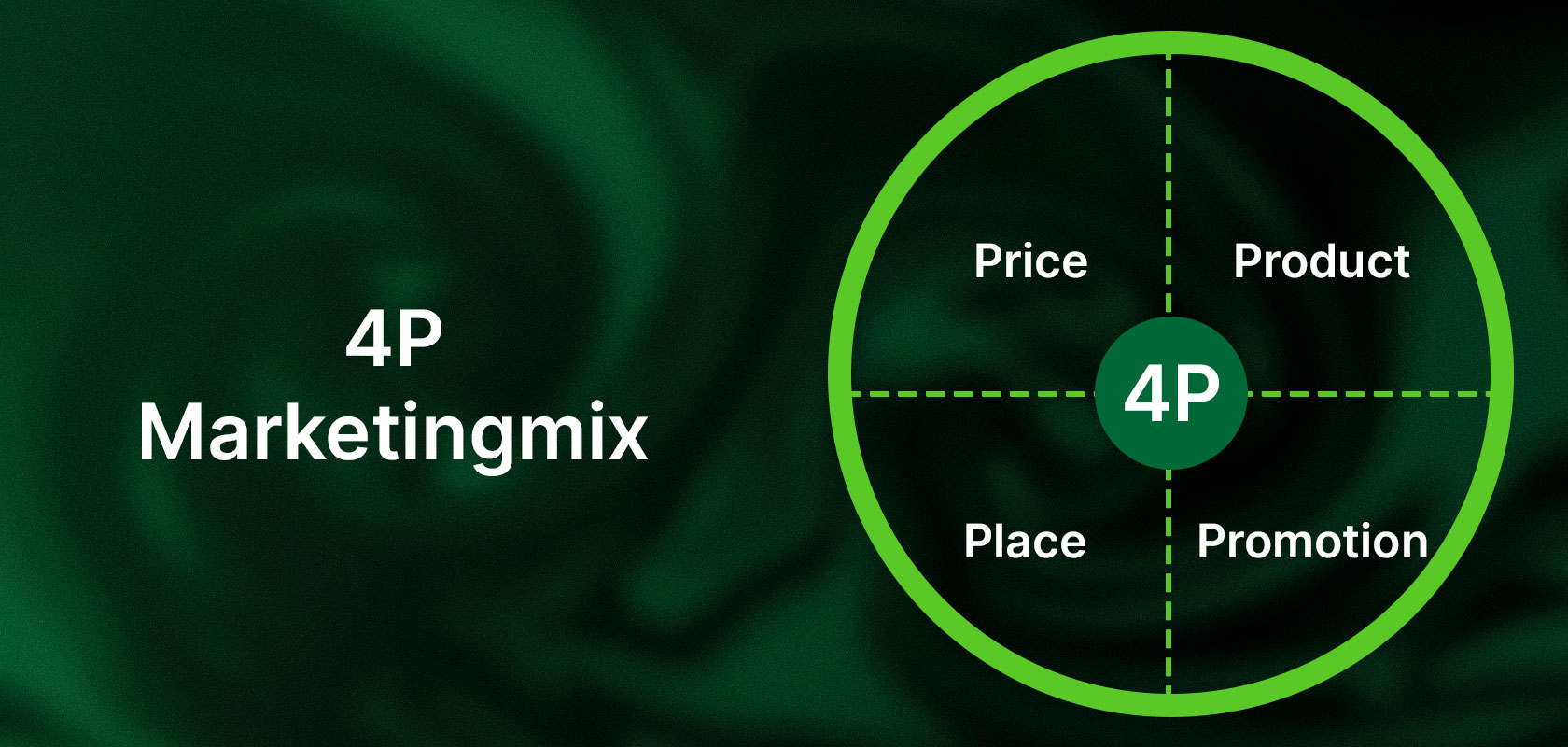
These elements must not operate in isolation. Even the best advertising campaign (Promotion) will fail if the online store (Place) doesn’t convert or the product (Product) isn’t compelling. Only their synergy ensures success.
E-commerce Marketing for Shopify: Focus & Key Areas
Modern online store marketing no longer targets raw traffic but focuses strictly on high-intent traffic—that is, users with a concrete intention to purchase. The goal is to increase visibility, minimize shopping cart abandonment, and optimize customer retention based on data.
The infrastructure is built on eight core areas:
SEO & GEO: Organic authority in traditional search engines and AI conversational systems.
SEM & PPC: Scalable, paid reach via advertising networks (search engines & social media).
Content Marketing: Useful content for better rankings and building trust.
Email Marketing: Automated, behavior-based customer engagement without ongoing advertising costs.
Social Media Marketing: Organic community engagement through visual storytelling.
Influencer Marketing: Targeted reach through the credibility of creators.
Affiliate Marketing: Performance-based sales network via external partners.
CRO: UX and design optimization to maximize the conversion rate of existing traffic.
Common Online Store Marketing Mistakes in E-Commerce
Most Shopify stores fail not because of a lack of marketing opportunities, but because of misaligned priorities and inconsistent execution. This leads to common mistakes that hinder growth and profitability in the long run.
Before we dive into specific strategies and optimization levers, it’s worth taking a quick look at the most common structural mistakes in Shopify marketing. Only when these fundamental issues are understood and avoided can the following measures reach their full potential.
The mistake of channel fragmentation: Trying to manage ten different marketing channels at the same time without having the internal personnel or financial resources to execute even a single channel to a high standard. Focus trumps quantitative reach.
Total reliance on paid media: Exclusively focusing on paid advertising budgets while neglecting long-term organic SEO assets, geo-optimization, and your own email database. If your revenue plummets the moment you cut your advertising budgets, you don’t have a sustainable business—you have a dependency on advertising platforms.
Data blindness in attribution: The uncontrolled increase in marketing spend based on unreliable in-platform metrics from external ad networks, without having established clean server-to-server tracking or measuring the actual blended return on ad spend (ROAS) relative to net revenue.

16 Shopify Marketing Strategies for Sustainable Growth
Tip 1: Don’t Skip Search Engine Optimization (SEO, AEO & GEO)
To rank well in modern AI search systems, Shopify stores need to provide clean, semantically structured data rather than simply placing keywords. Studies show that precise semantic code structures can increase visibility in generative search environments (such as ChatGPT Search, Perplexity, or Google Overviews) by up to 115%.
JSON-LD Schema: Implement error-free Schema.org markups (products, prices, availability) so that AI bots can read data directly without JavaScript.
Inverted Information Architecture: Start collection descriptions and FAQs with a direct conclusion that AI crawlers can copy as an answer snippet.
Citations: Link to undisputed industry authorities to reinforce the credibility of your content for search algorithms.

Reading tip: We have summarized everything important for your search engine optimization in our SEO Guide.
Tip 2: Think mobile (mobile-first approach)

Over 70% of global e-commerce traffic comes from smartphones. That’s why online marketing for Shopify always means “mobile first”: Your store must be consistently optimized for mobile visitors, from the home page all the way through checkout.
For example, this can be a larger button to make it easier for visitors to add something to the cart without having to zoom in.
Tip 3: Optimize product pages for conversions

To increase your conversion rate, you need to optimize your website and product pages. To do this, you should identify where you are losing sales, why shopping carts are being abandoned, and finally examine how you can convert these unused opportunities into purchases in the future. This will help you identify and fix problem areas on the website.
Once you have completed your research, you can develop tests to determine which approaches generate the most sales.
To increase sales and thus increase the average order value (AOV), retailers can make use of cross-selling or upselling. Cross-selling refers to selling additional products or services that may be relevant to the customer, based on their current buying behavior. Upselling, on the other hand, means offering the customer an upgrade or a better version of the same product in order to increase the cart value and possibly increase customer value.
Reading tip: We have summarized more tips for increasing average order value (AOV) here.
Tip 4: Focus on personalization
 Another promising candidate among online marketing tips is personalization. Use behavioral data to offer your visitors personalized experiences based on their previous actions and preferences. Location can also be taken into account here to create a shopping experience tailored to where your customers are.
Reading tip: You can find more useful Shopify hacks here.
Tip 5: Use Content Marketing to Build Authority
Effective content marketing builds subject-matter authority by providing high-quality informational resources that help buyers make decisions. Instead of superficial advertising, create in-depth buying guides, product comparisons, and tutorials.
The possibilities here include:
A corporate blog
A podcast
Guest posts on other websites
Videos
Guides and advisors
User-generated content (e.g., photos, video, testimonials, or forum posts)
 The goal of content marketing should be to answer questions, inform, tell your company's story, and help customers choose products. Good content is your chance to share your expertise and values, address potential concerns, and convince customers that you're a good place to store online.
Reading tip: Content management systems: Implement, edit and manage your content with Shopify and the right CMS.
Need help with your content marketing? As your content marketing agency, we're happy to help.
Tip 6: e-mail marketing
Because of its particularly high return on investment (ROI), email marketing is considered a very effective discipline in online marketing for Shopify. Your email campaign becomes more relevant the more you know about your subscribers. Combine your email marketing with your customer relationship management (CRM) to always reach the right recipients at the right time with the right offer.
So it's not enough to simply capture a set of email addresses. To use the channel as an effective measure for your e-commerce marketing, you also need to send e-mails on a regular basis.
 These occasions lend themselves to making the emails meaningful to your customers:
Welcome emails after the first purchase
Exclusive promo codes or free gifts
Regular newsletters with product tips or offers
A thank you to loyal customers
Feedback on a purchase
Products that match previous purchases
Reactivating customers who haven't ordered in a while
Tip 7: rely on PPC campaigns

Another important online marketing measure for Shopify is pay-per-click (PPC) advertising. It makes sense for both small and large businesses, is data-driven, easy to scale, and offers a good return on investment. These PPC ads often target ad spaces on search engines, social media platforms, or websites. They are very well suited for e-commerce brands as they target ready-to-buy customers and can also lead to higher conversions than organic marketing.
The most popular platforms here are Facebook and Google. Google shopping ads in particular are very popular with online stores.
The use of Shopify Audiences is suitable for this. The Shopify app uses the data collected from Shopify merchants to identify target groups with a high propensity to buy on Shopify. The target group lists created can then be used for platforms such as Google, Meta, TikTok or Pinterest. Using such target groups helps you to target your advertising campaigns correctly, use the budget effectively and thus achieve less wastage. With the Shopify Summer Editions 2024, Shopify has also announced new updates for Shopify Audiences.
Currently, Shopify Audiences is only available to Shopify Plus merchants who use Shopify Payments and are based in the US or Canada.
Reading tip: Learn how to drive higher sales with Shopify Omnichannel.
Tip 8: social media marketing
Social media marketing is a powerful marketing strategy that enables online retailers to promote their products or services via various social media platforms and interact with their target audience. A major advantage here is the reach.
For a successful social media strategy, you should analyze your target audience to understand who the potential customers are, what their needs are and which social media channels they prefer. The strategy should focus on creating relevant content and targeting the audience. In addition, interaction with the target audience is crucial to build a closer relationship. Retailers should respond to comments and messages, answer questions, and encourage engagement through surveys, contests, or discussions.
Reading tip: How you can use TikTok and Instagram for your online marketing.
Tip 9: influencer marketing
Influencer marketing is a marketing strategy in which brands work with so-called "influencers" to promote their products or services and gain greater reach and visibility. Influencers are individuals who have a significant social media following and have expertise, credibility, or a strong online presence in a particular field.
Influencer marketing can be an extremely effective way to increase brand awareness, attract new customers and build customer loyalty. However, it is important to choose influencers carefully and execute campaigns with clear goals and a well-thought-out strategy to achieve maximum results.
Here, there are different types of influencers that can be classified according to the number of followers they have:
Nano-influencers: from about 1,000 followers.
Micro-influencers: from approx. 10,000 followers upwards
Macro-influencer: from approx. 100,000 followers onwards
Mega-influencers / celebrities: from approx. 1 million followers
Choosing the right influencer depends on the brand's goals, target audience and budget. Well-designed influencer marketing can help increase brand awareness, build credibility, and ultimately drive sales.
Tip 10: affiliate marketing
Another marketing measure is affiliate marketing. This is an online marketing strategy in which companies (also known as "advertisers" or "merchants") work with partners (also known as "affiliates" or "publishers") to promote products or services and generate sales or leads. This partnership is based on a commission basis, where Affiliates receive compensation when they convert a visitor to their website into a customer of the Advertiser.
Tip 11: user generated content (UGC)

UGC marketing, translated as "user-generated content," refers to a marketing strategy in which brands use content created by their customers to promote their products or services.
User-generated content can take many forms, including customer reviews, product ratings, photos, videos, testimonials, social media posts and more. This content is created by customers themselves, sharing their experiences, opinions, and interactions with the brand.
The importance of UGC marketing lies in its authenticity and credibility. Since it comes from real customers, it is perceived as trustworthy and unbiased by other potential customers. It creates a strong connection between the brand and the customer and promotes engagement and loyalty.
UGC marketing offers many benefits for brands, including:
Building trust: customers trust other customers more than the brand itself. User-generated content builds trust and shows that the product or service actually offers the promised benefits.
Cost savings: using user-generated content can be cost-effective because brands don't need expensive advertising materials or professional production teams.
Reach and engagement: UGC marketing can increase brand reach and drive engagement on social media platforms, as users often share their content with their own networks.
Customer engagement: customers whose content is shared by the brand often feel valued and more connected to the brand.
To successfully implement UGC marketing, brands should encourage their customers to create and share content. This can be achieved through social media prompts, customer reviews, sweepstakes or special hashtags. However, complying with privacy policies and obtaining customers' consent are essential to respect users' privacy and rights.
In the meantime, however, UGC has also become a business sector - just like influencer marketing. Many UGC creators now offer their services via platforms such as TikTok or Instagram, or can be found on Fiverr, Speekly, Creatorjobs, and many more. These creators can be booked by brands to have video or image content created. This deviates from the original UGC idea, because the users are paid here and appear as a clear advertising face - for brands, however, this strategy has proven itself in their performance marketing campaigns.
Tip 12: Establish WhatsApp Marketing as a Direct Customer Channel

WhatsApp Marketing uses the messaging service WhatsApp to communicate with customers, send offers, provide support and improve customer service. WhatsApp is a popular platform with a high user base, which makes it an effective channel for direct customer communication. To implement WhatsApp marketing with Shopify, they can use Charles. There are several options here:
Integration of WhatsApp into the checkout process: With Charles, WhatsApp can be integrated into Shopify's checkout process as an additional communication method. Customers can ask questions or solve problems directly via WhatsApp, which strengthens customer loyalty and increases the purchase completion rate.
Automated WhatsApp messages: Charles enables the automation of WhatsApp messages to greet customers, send order confirmations, send shipping notifications, and more. This can make customer service more efficient and improve communication with customers.
Sending promotional offers: With Charles, businesses can create WhatsApp marketing campaigns to send promotional offers, discounts or special promotions to their customers. It is important that customers have previously given their consent to be contacted via WhatsApp.
Customer feedback and surveys: Companies can use WhatsApp to gather customer feedback or conduct surveys. Direct communication makes it possible to gain valuable insights into customer wants and needs.
Customer support: Charles enables effective customer support via WhatsApp. Customers can send support requests and companies can respond quickly and directly, increasing customer satisfaction.
However, it is important that companies consider privacy policies and customer consent before using WhatsApp as a marketing channel.
Reading tip: How to set up a WhatsApp store. Learn how to launch an automated storefront, sync your product catalog, and close sales right in the chat.
Tip 13: Ensure Independence Through a First-Party Data Strategy
Building your own first-party data ecosystem is the most important safeguard against the disappearance of third-party tracking cookies. As advertising platforms receive less and less external user data, you must collect data directly on your own site.
Implementation: Use newsletter sign-ups, voluntary customer accounts, and interactive product discovery quizzes. This allows you to maintain detailed profiles for personalized campaigns without relying on external advertising networks.
Tip 14: Ensure Profitability by Focusing on Customer Retention
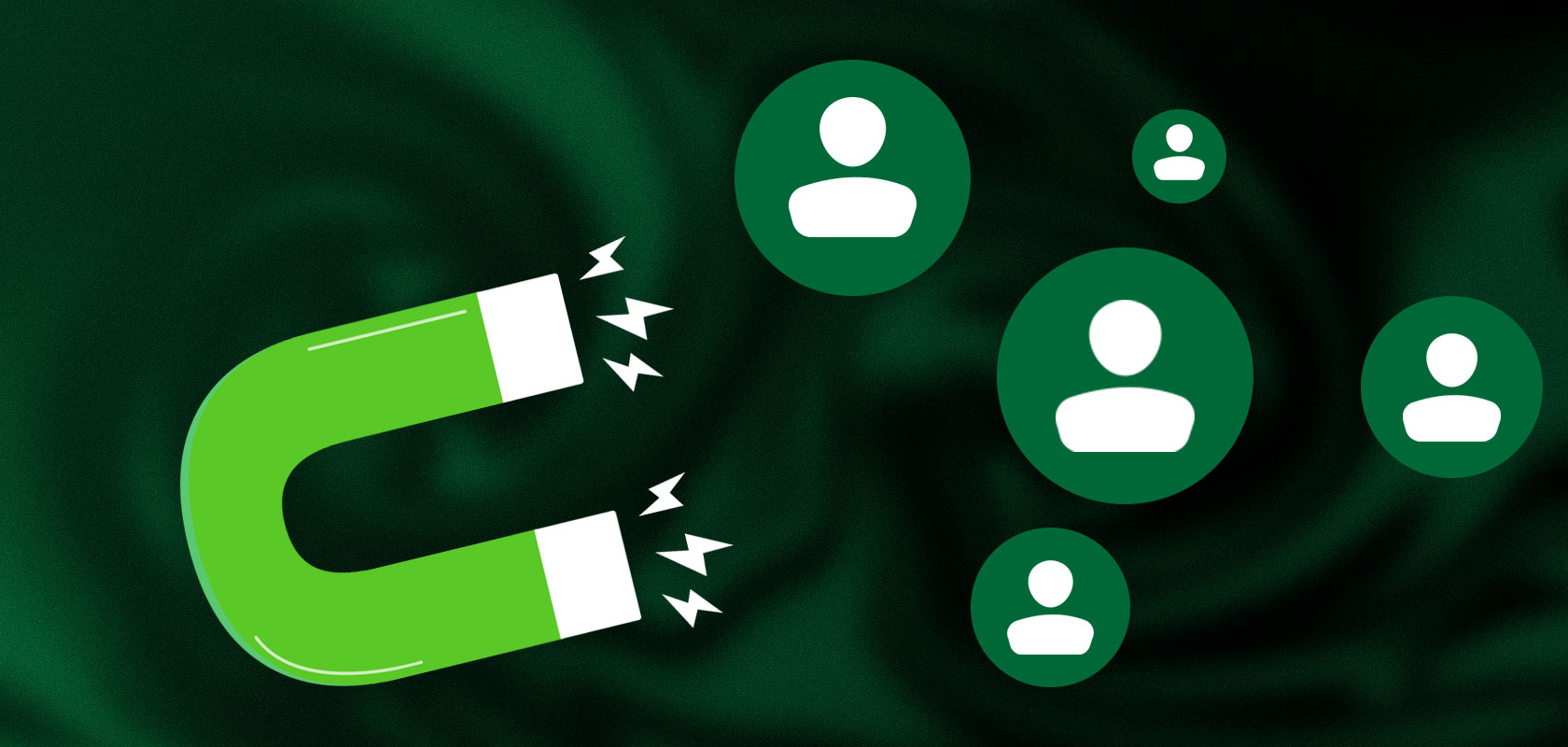
Retaining an existing customer is significantly more profitable than acquiring a new one—an increase in the retention rate of just 5 % can boost profits by over 25 % (Harvard Business Review). Focus your resources on nurturing existing customers.
Actions: Establish tiered loyalty programs, offer subscription models for consumer goods, and grant VIP customers exclusive early access to new products. This increases customer lifetime value (LTV) and offsets rising customer acquisition costs.
Tip 15: Continuous Conversion Rate Optimization (CRO)
Conversion rate optimization ensures that you get the most out of your existing traffic by eliminating friction points in the checkout funnel. Even a minimal increase in the conversion rate (e.g., from 1.8% to 2.4%) instantly makes every ad more profitable.
Approach: Reduce the number of required fields in forms, remove scripts that cause unnoticed blockages, and keep trust signals (guarantees, seals, easy returns) visible throughout the user’s view. CRO is an ongoing optimization process.
Tip 16: Artificial Intelligence
Artificial intelligence (AI) is playing an increasingly important role in online marketing as companies increasingly rely on data-driven decisions and personalized customer experiences. AI enables more precise personalization of marketing content based on users’ behavior and preferences. By analyzing large amounts of data, AI can make individualized recommendations for products, content, or offers that are relevant to each user. Artificial intelligence also helps companies predict future trends and behavior patterns.
AI-powered tools can automate keyword research, content optimization, and ranking analysis. They help continuously adjust SEO strategies to improve visibility in search engine results.
AI is also playing an increasingly important role in content generation and customer service. AI-powered chatbots can be used on websites and in messaging apps to answer customer inquiries, provide support, and even complete transactions. AI tools can also automatically generate content such as product descriptions, blog posts, or social media posts. Although human creativity is often still irreplaceable, AI supports content production by generating ideas or providing automatic translations.
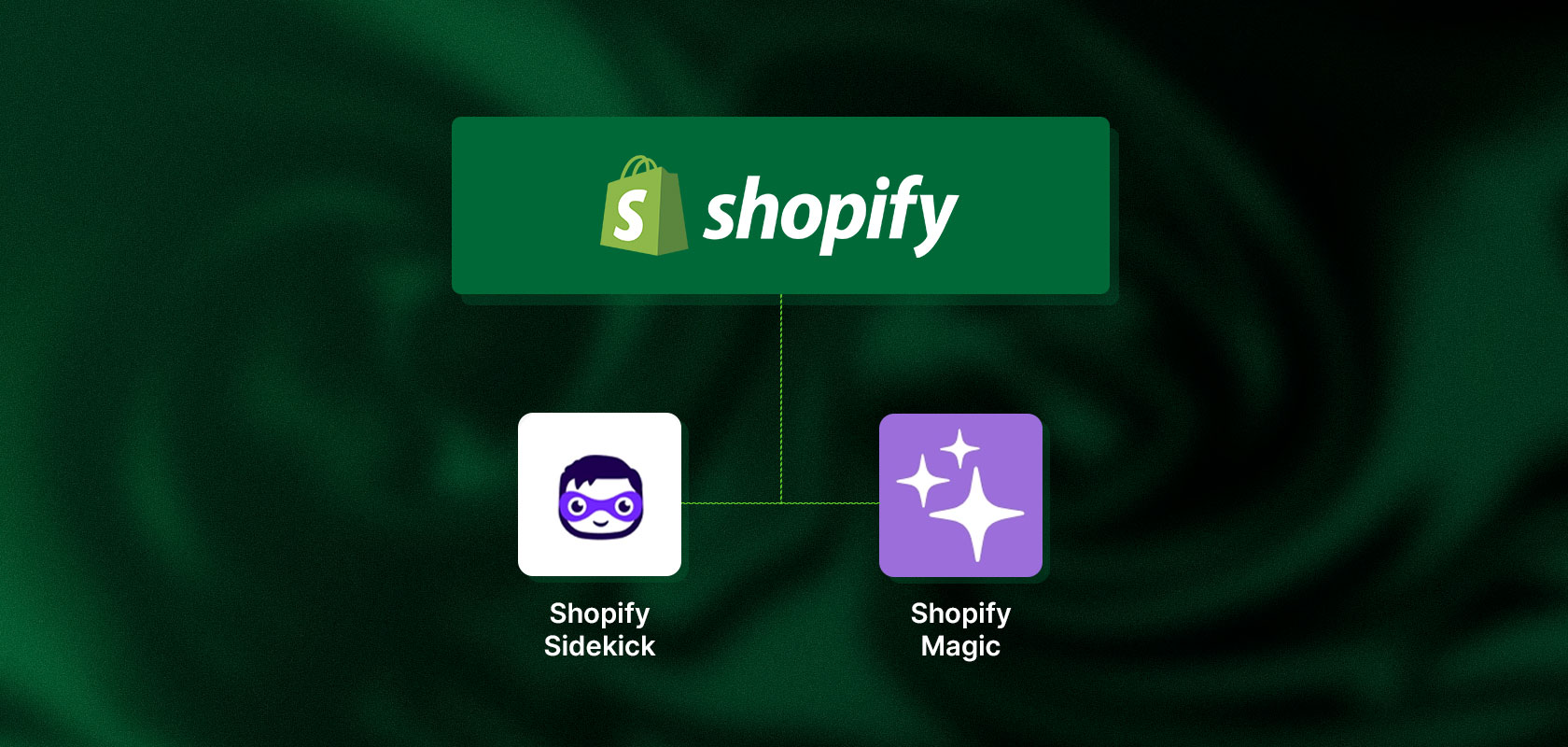
Shopify offers its own tools for this purpose: Shopify Sidekick and Shopify Magic. Shopify Sidekick is an AI assistant that can answer your questions, provide helpful information, or offer store analytics. Shopify Magic, on the other hand, is an integrated suite of free features based on artificial intelligence (AI) and embedded in Shopify’s products and workflows. Shopify Sidekick is part of this suite.
Reading tip: Learn all about AI with Shopify in this article.
The integration of AI into online marketing thus offers companies the opportunity to work more efficiently, create personalized experiences, and make informed business decisions. As the technology continues to evolve, it is expected to play an even greater role in the marketing mix by helping companies adapt to dynamic market demands and gain a competitive edge.
Conclusion: Stand out from the competition with effective measures for your Shopify marketing
If you do without e-commerce marketing, your online store is virtually invisible. To make your store more popular and encourage customers to buy, you need to rely on targeted online marketing for Shopify. Invest your budget in the right preparation of SEO, content or PPC measures to achieve noteworthy results. After all, the right marketing strategy will help increase the average order value, attract customers and boost sales.
If you use our 16 tips, you can build a successful store that offers customers an optimal shopping experience and generates worthwhile sales for you.
If you need help with your marketing strategy, we're here to help. Contact us.
Frequently Asked Questions about Online Marketing for Shopify
What is online marketing?
Online marketing, also known as digital marketing or Internet marketing, encompasses all marketing activities and strategies carried out online via the Internet to promote products, services or brands and attract customers. It is a crucial part of e-commerce and plays an important role in increasing online presence, reach, sales and customer loyalty.
What does digital marketing for Shopify mean?
Digital marketing or online marketing for Shopify encompasses all the strategies you use to raise awareness of your store, increase traffic, and boost sales. In this article, we’ll share 16 effective online marketing tips with you.
What is the difference between online marketing and e-commerce?
The term e-commerce describes a sales channel to sell products and services. Online marketing is about reaching potential and existing customers and getting them to buy.
Does e-commerce marketing make sense?
If you don't do e-commerce marketing, your store won't be found by potential customers, you won't generate new customers, and you'll miss out on potential sales. So to run a successful store, online store marketing is essential.
How does email marketing work in e-commerce?
E-commerce email marketing uses data-driven, automated workflows to send subscribers personalized messages based on their actual behavior on the website. Instead of bombarding customers with impersonal mass newsletters, the system triggers specific emails exactly when a user abandons a shopping cart, completes a purchase, or reaches a certain loyalty level.
How do I do online marketing?
The most effective measures for online store marketing include PPC campaigns, content marketing and optimizing your store or website to offer customers the most pleasant shopping experience possible. We will introduce you to further measures in the blog.
