)
Price comparisons have long been part of everyday digital shopping. Before customers click the “Buy now” button, they compare prices—often multiple times and automatically. Price search engines are not only a convenient tool for consumers, but also an underestimated growth driver for online stores.In this article, you will learn what price search engines do, how they work, and how you can use them strategically to gain more visibility, traffic, and sales.
Table of contents
- What is a price search engine and how does it really work?
- Why online shops benefit from price search engines – the advantages at a glance
- Optimal use: How to get the most out of price search engines
- Overview of popular price search engines
- The mechanism in detail: How these platforms work
- Price monitoring for the optimal price
- What you should know as a Shopify merchant: integration, apps, best practices
- Price search engine marketing: How to use the channel strategically
- Conclusion
Do you need help implementing price search engines? Contact us today with no obligation. Contact us now.
What is a price search engine and how does it really work?

A price search engine (also known as a price comparison portal) is an online platform that bundles offers from various online shops.
Its mechanism is simple but effective: it allows customers to see at a glance where they can find a particular product at the best current price. It serves as a central point of contact for comparing prices and thus saving money when shopping online. How it works:
Shops send their product data via feeds or interfaces.
The price search engine processes this data, compares categories, sorts prices, and displays the results clearly.
Users compare and click directly through to the appropriate online shop.
So the principle is not rocket science. However, it is a powerful additional sales channel that works exactly where purchasing decisions are made.
Why online shops benefit from price search engines – the advantages at a glance
Price search engines are more than just an additional marketing channel. They fulfill a very clear role:
1. Visibility among users who are ready to buy
People who search on price search engines have already decided what they want to buy. The only question left is “Where?”. Online shops therefore reach people in the final stage of the customer journey.
2. Reach without a huge marketing budget
Small and medium-sized online shops can hold their own against big players on price comparison sites simply by providing clear data, attractive prices, and good reviews.
3. Precise calculation instead of guesswork
CPC models offer planning security: you only pay for interested parties who actually click. This allows you to measure your ROI accurately.
4. Real-time insights into the competition
Price search engines also function as a market mirror: they show who is competing with whom, what prices are being set, and how trends are developing. It is precisely these insights that enable dynamic pricing.
5. Efficiency through automation
Automated data interfaces (e.g., via feed management) eliminate manual effort. Prices, availability, and delivery times are always up to date—a basic requirement for top positions.
Optimal use: How to get the most out of price search engines

Price search engines work best when you take a strategic approach. The most important factors are:
1. Clean product data
A price search engine's algorithm is only as good as the data feed that powers it.
Pay attention to:
Complete titles
Correct prices
Consistent brand names
Accurate attributes
Current availability
The better the data, the better the ranking and the higher the conversion rate.
2. Select relevant price search engines
Not every price search engine is suitable for every product range. Select platforms strategically to reach your target group in the best possible way:
Electronics → portals such as idealo are ideal
Fashion → rely on specialized portals such as LadenZeile
General product ranges → platforms such as billiger.de or Check24 are recommended
This ensures that your products are visible where potential customers are specifically looking for them.
3. Calculate costs accurately
CPC models vary greatly depending on the category. Only when you compare click prices with conversion rates and margins can you calculate a real ROI.
4. Actively monitor the competition
The market changes every day.
If you don't monitor prices and adjust them automatically, you're giving away visibility and revenue.
Overview of popular price search engines
Here is a list of the most widely used and relevant portals in German-speaking countries:
1. Google Shopping: This search engine is the global leader due to its direct integration into the Google search results page. It bundles an enormous amount of product offers from countless online retailers. Its biggest advantage is the immediate visibility of prices right next to your original product search.
Advantages of Google Shopping:
Highest reach, direct influence on search results
Suitable for almost all product ranges
Particularly relevant in the upper funnel through shopping ads & organic listings
2. idealo: The leading European platform is particularly strong in Germany. It is known for its useful tools such as price history charts and price alerts, which help buyers assess the authenticity of a bargain.
Advantages of idealo:
Strong market position in Germany, Austria, and Switzerland
Well suited for products in electronics, household appliances, gardening, outdoor, or sports
Price histories & price alerts available → exciting for price-sensitive target groups
3. CHECK24: The largest comparison portal in Germany, which focuses primarily on comparing services and rates (insurance, loans, travel) rather than traditional retail products.
Advantages of CHECK24:
High relevance for services, travel, and rates
4. Billiger.de / Geizhals.de: Important players in German-speaking countries, with a strong focus on computer hardware, consumer electronics, and household appliances. They are valued for their comprehensive and accurate technical data.
Advantages of Billiger.de / Geizhals.de:
Focus on technology, electronics, and hardware
High data quality and detailed product categories
The mechanism in detail: How these platforms work
The technical process behind the scenes involves the following primary steps:
Data collection (bundling): Retailers submit their lists (product data feeds) or the portals use web crawling to collect offers from thousands of shops.
Matching and standardization: The critical step is matching identical items across different shops, usually using unique international product codes (such as the EAN).
Revenue model (financing): Use is free of charge for consumers. Financing is mainly via pay-per-click (PPC), whereby retailers pay for each click, or via commissions on services (e.g., at CHECK24).
Price monitoring for the optimal price
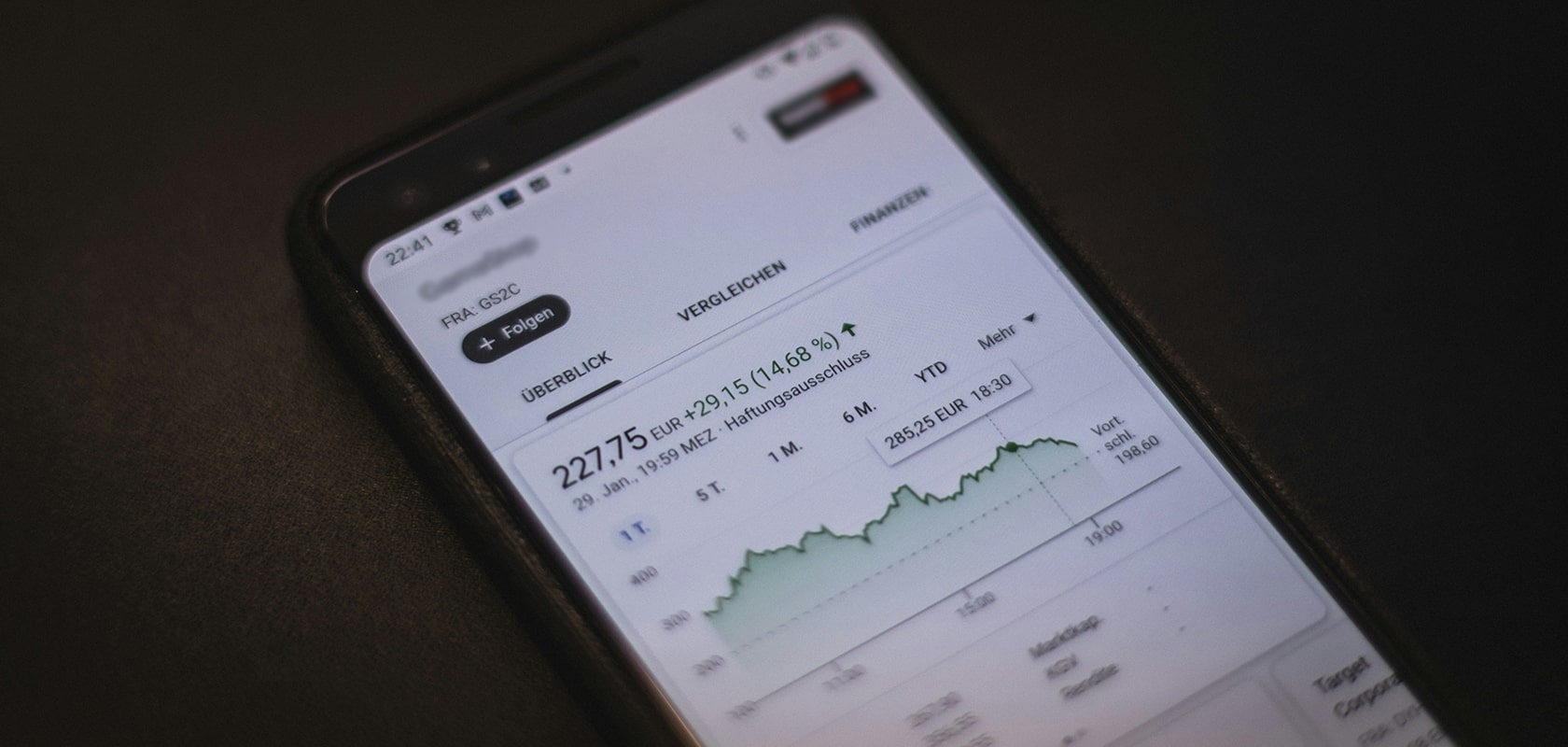
Active use of price comparison creates significant leverage. Prices determine click prices and visibility. Shops that keep prices static are often overtaken in comparisons. Tools such as Minderest, Patagona (price monitoring), and Pricemotion help online shops analyze competitor prices in real time. Portals such as idealo act as a precise marketplace barometer here, as their features (price history or price alerts) not only show what is happening, but also when customers are buying. With an intelligent pricing strategy, the conversion potential can be significantly increased here.
But keep the risks in mind: automation can lead to price dumping. There is also a risk of losing RRP conformity. In addition, minimum limits that are too low can lead to margin risks.
Reading tip: Find out how to connect idealo with Shopify here.
What you should know as a Shopify merchant: integration, apps, best practices
Shopify makes it easy to connect to price search engines through various mechanisms. These include native feeds provided via the Google & YouTube app, the use of product feed APIs and Liquid templates, and a robust metafield structure for managing additional product attributes.
Recommended feed management apps for Shopify
To successfully submit your products to price search engines, you need a reliable feed management tool. There is a good selection of recommended apps, especially for Shopify stores
Channable (enterprise-ready, multichannel) offers extensive automation options and integrations for large companies and many channels.
DataFeedWatch (wide range of functions + mapping) enables detailed editing and customization of product data feeds for various platforms.
Koongo (budget-friendly, flexible) is an inexpensive solution that can be easily adapted to different shop systems.
ShoppingFeeder (integrated performance tracking) helps you closely monitor and optimize the success of product listings on different channels.
Shopify-specific pitfalls
Special challenges when using price comparison portals often arise due to Shopify-specific peculiarities. These include the problem of product variants that lack a GTIN (Global Trade Item Number), which can lead to their exclusion from matching. Similarly, a missing Google product category has a negative effect on the ranking. Technical difficulties such as incorrect price formats in feeds (e.g., due to comma/period problems) and incomplete meta fields for important attributes such as color, size, or material can severely impair data quality and thus performance in price search engines.
Price search engine marketing: How to use the channel strategically

To ensure that price search engines become a real sales driver for your online shop, we recommend that you consider the following points:
1. Be present on multiple platforms
Don't rely on just one portal. Different price search engines appeal to different target groups, thereby increasing your reach.
2. Continuously optimize product data
Complete, accurate, and appealing product information ensures better rankings, more clicks, and higher conversion rates.
3. Dynamically control prices
Static pricing can limit visibility. Regular adjustments allow you to remain competitive without jeopardizing your margins.
4. Strengthen shop reviews in a targeted manner
Positive reviews increase user confidence and are given preferential treatment by many price search engines.
5. Continuously measure and optimize results
Keep an eye on key figures such as clicks, conversion rates, and contribution margins per channel. This will help you identify which measures are working and where there is room for optimization.
Conclusion
Price search engines make your products visible where purchasing decisions are actually made. They offer a unique combination of reach, competitive insights, and targeted traffic—features that hardly any other channel delivers so effectively.
For online shops, this means that if you use price search engines strategically, you can increase efficiency, performance, and sales in the long term. On the other hand, if you neglect this channel, you are leaving valuable potential to your competitors.
If you need assistance with price search engines, we are happy to advise you—from strategy to technical integration. Contact us now.
Frequently asked questions about price search engines
What price search engines are available in Germany?
Popular ones include idealo, billiger.de, Geizhals, Check24, guenstiger.de, and LadenZeile.
How do price search engines work technically?
Shops send their product data via data feed. The platform compares attributes, sorts prices, and displays the results in comparison lists.
How much does it cost to participate?
Mostly CPC-based. Depending on the category, between a few cents and several euros per click.
How do I connect my online shop to a price search engine?
Via a standardized data feed (CSV, XML, JSON). Many shop systems offer automatic interfaces for this purpose.
