)
Delica AG is part of the industrial division of the Swiss retail group Migros and is responsible for several well-known coffee and consumer goods brands. These include the coffee brands Delizio and CoffeeB, as well as the Migros Shop online store.
To meet the growing demands for performance, scalability, and stability, Delica decided to migrate several existing online shops from Shopware to Shopify Plus. Together with Latori, a new multi-brand setup was implemented in just seven months!
In this interview, Lundrim Hyseni from the Migros back-office team tells us about the challenges behind the project and how the migration was successfully implemented.
At a glance – what we implemented:
Migration from Shopware to Shopify Plus
Implementation of a multi-brand setup with four Shopify instances
Design and frontend implementation for multiple shops
Data migration with Matrixify
Integration of multiple Shopify apps and interfaces
Implementation of special processes (e.g., machine registration)
Stable launch of all shops within seven months
Table of contents
Are you interested in switching from Shopware or another platform to Shopify or Shopify Plus? Contact us and let’s discuss your project together.
The Delica brand and its e-commerce infrastructure
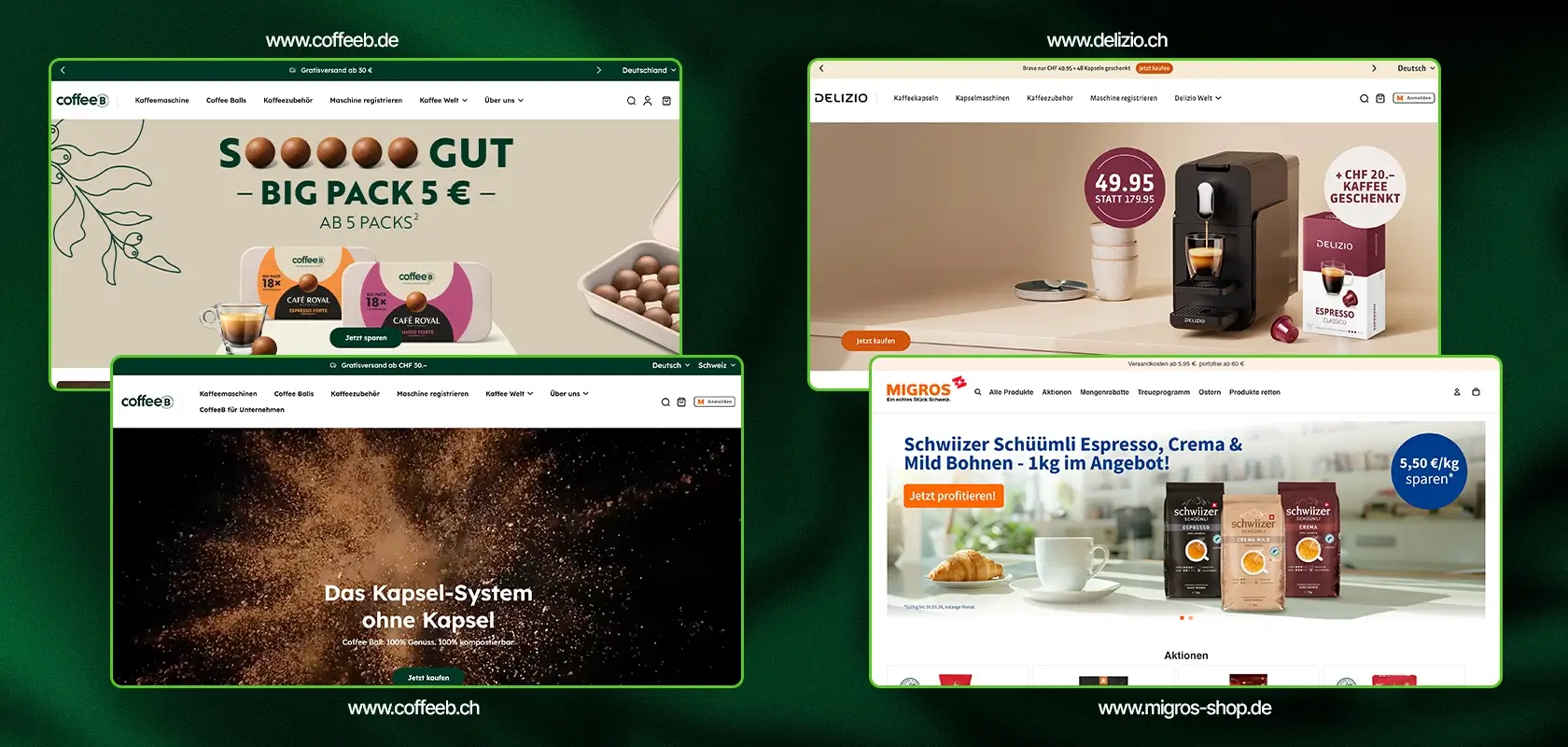
Delica AG is part of the industrial division of the Swiss retail group Migros. Within this structure, Delica is responsible for the development, production, and distribution of various brands, particularly in the coffee segment.
Its digital sales channels include several independent online stores:
CoffeeB Switzerland
CoffeeB Germany
Delizio Switzerland
Migros Shop Germany
All stores serve different markets and target groups but are closely linked technically.

“We’ve implemented a multi-brand setup. Although the stores run in separate instances, the core code base is essentially the same,” explains Lundrim Hyseni.
This architecture enables synergies between the brands and reduces maintenance and development costs in the long term.
Reading tip: Shopify vs. Shopware: We take a closer look at both platforms.
This made the switch to Shopware necessary
Prior to the migration, the brands relied on a Shopware-based e-commerce platform. Over the years, however, this platform had grown increasingly complex, presenting mounting technical and organizational challenges. Day-to-day operations, in particular, proved to be time-consuming: updates and improvements had to be managed manually on a regular basis, which significantly increased maintenance efforts and, consequently, operating costs.
Added to this was a system architecture that had evolved over time. Due to numerous extensions and additional layers that had been integrated over the years, the platform became increasingly complex and correspondingly more difficult to maintain or further develop. The system’s stability also posed problems for the team—especially during peak sales periods such as Black Friday or the holiday season, outages occurred repeatedly.
“The environment simply wasn’t stable enough. We kept running into problems, especially during peak times,” reports Lundrim Hyseni.
For a growing e-commerce business, this situation was unsustainable in the long run, so the team began looking for a new, future-proof solution.
Reading tip: Load times are a key factor in performance. We’ll show you how to test your website’s speed.
That's why we chose Shopify Plus and Latori
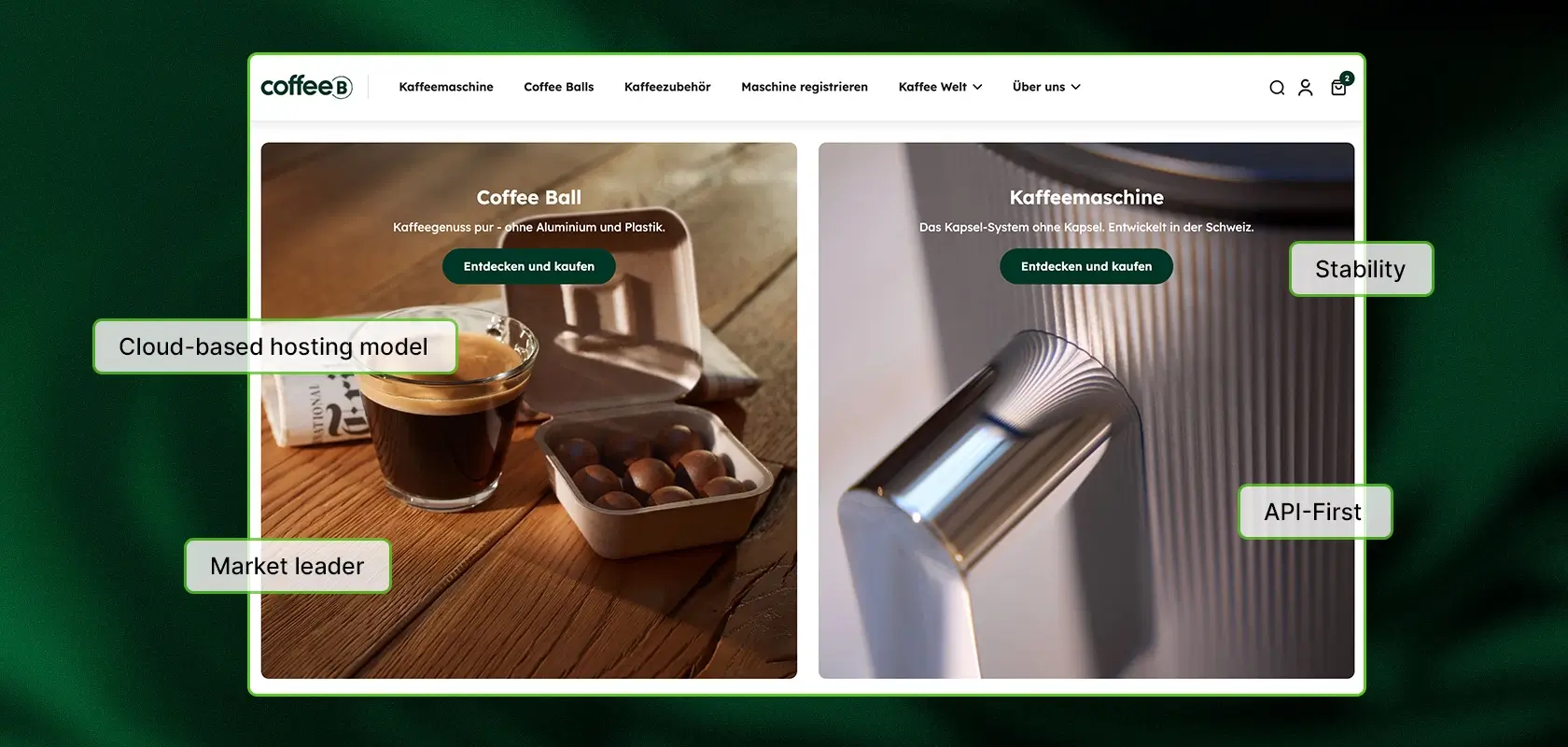
The Migros Group had already conducted a comprehensive evaluation of various e-commerce platforms in advance to find a sustainable long-term solution for its digital sales channels. As part of this analysis, numerous systems were reviewed—ranging from internationally established platforms to modern API-first approaches. The goal was to find a technology capable of meeting both current requirements and future growth plans.
In the end, Shopify Plus stood out for several reasons: A decisive factor was the fully cloud-based hosting model: infrastructure, maintenance, and scaling are handled entirely by Shopify, freeing up internal resources and allowing teams to focus more on the actual business.
Furthermore, the platform’s stability played a central role. Shopify is regarded worldwide as one of the most reliable commerce solutions and is designed to remain stable even during heavy traffic spikes—such as during major sales campaigns. Last but not least, market leadership was also an important aspect. The team deliberately wanted to rely on an established platform already used by many large companies.
“We wanted a platform where we wouldn’t be among the first users to have to test new features,” explains Lundrim Hyseni.
While searching for the right Shopify Plus agency, the choice ultimately fell on the Shopify experts at Latori, who were recommended based on their many years of experience with Shopify Plus.
The Migration: Implementing a Multi-Brand Setup
As part of the project, a total of four independent store instances were implemented on the Shopify Plus platform, each for different brands and markets. Following a joint kick-off in May, the actual development phase began in the summer. By December, all stores had successfully gone live.
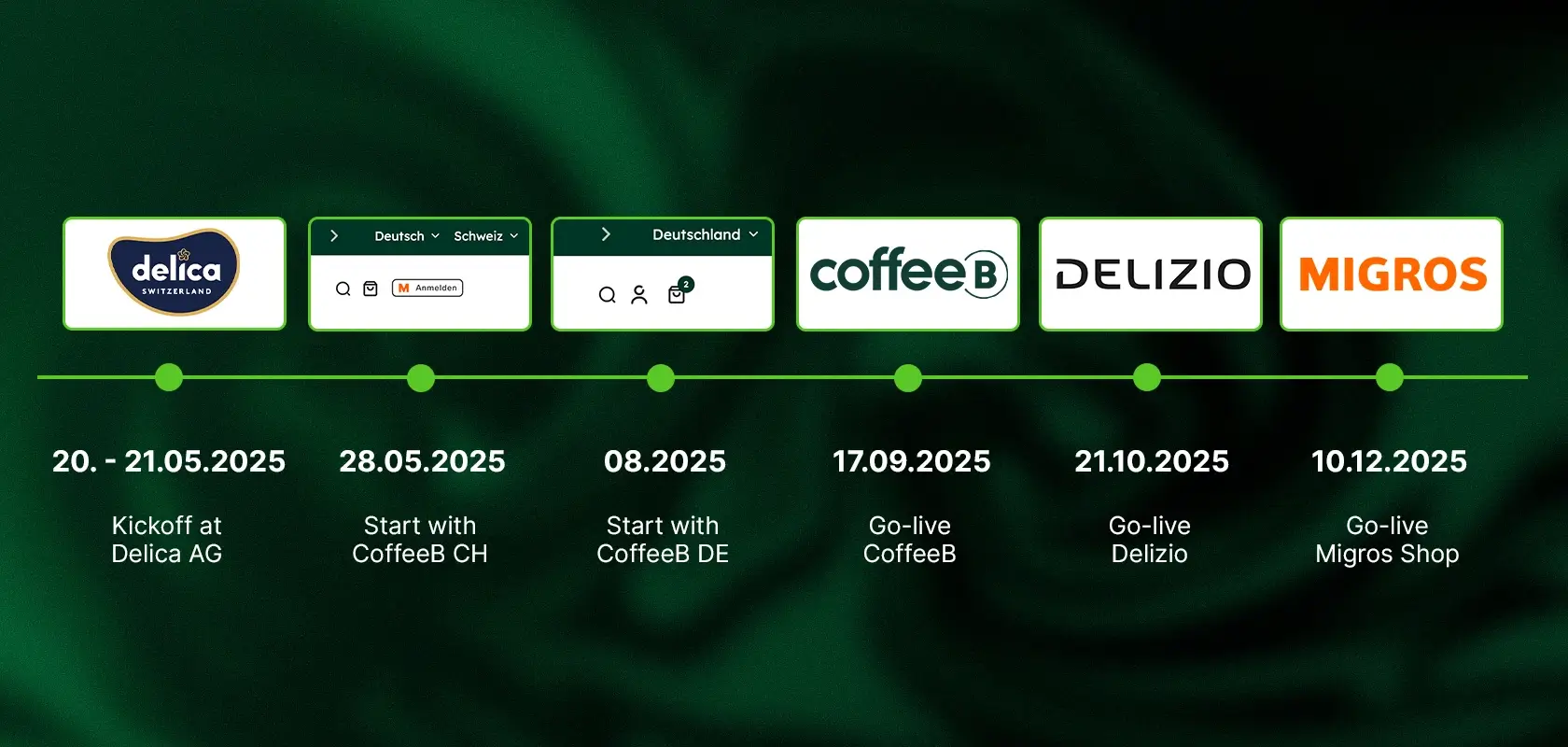
“We launched four stores with Latori in about seven months—we’re really proud of that,” says Lundrim Hyseni, looking back on the project.
A key factor in this success was the underlying technical architecture. Although there are multiple instances, all the shops are based on a common technical foundation. They share a unified codebase, similar front-end structures, and identical core processes. This approach made it possible to reuse developments and efficiently roll out new features across multiple shops.
Reading tip: Migrating from Shopware to Shopify—here’s what you need to know.
Specific requirements and technical features
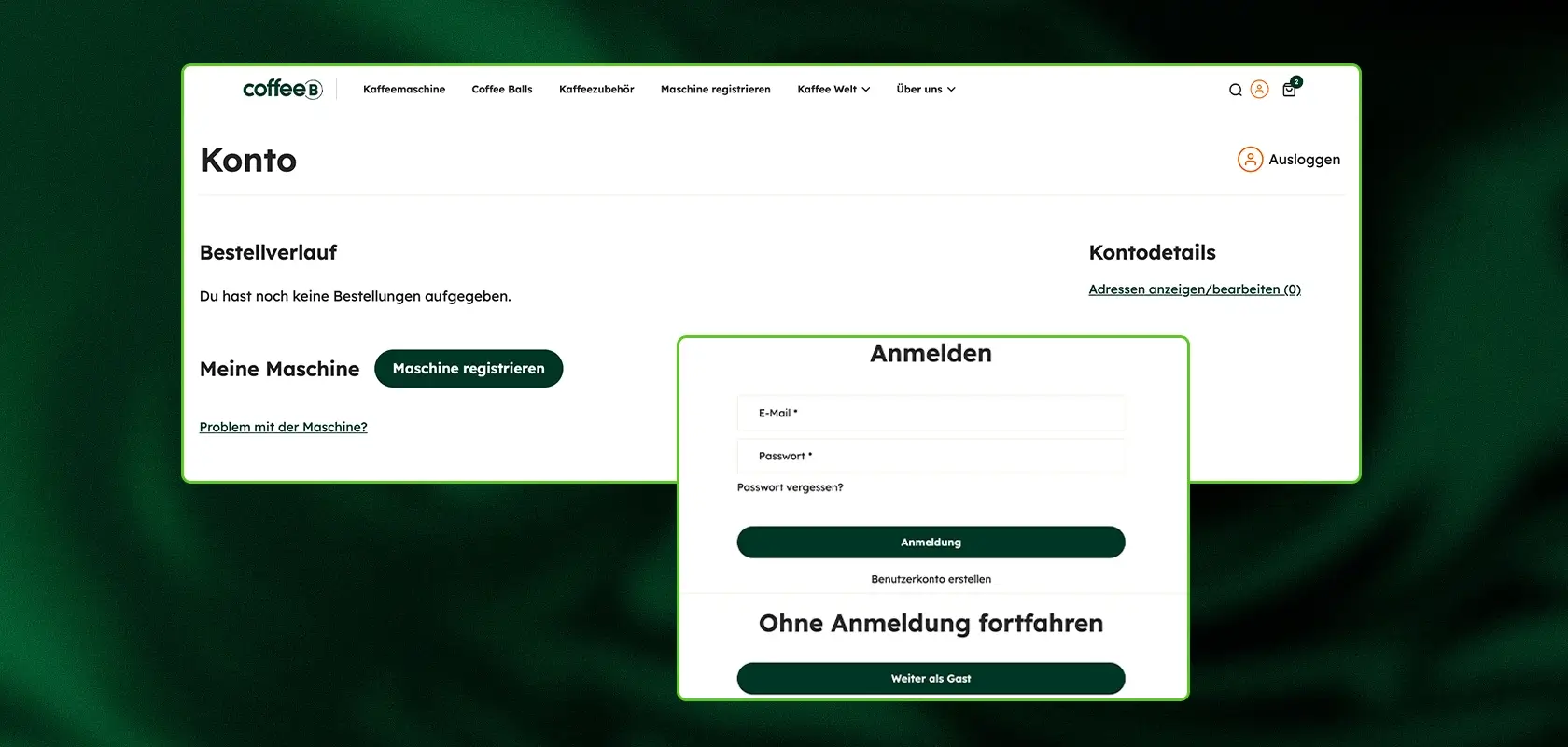
In addition to Shopify’s standard features, the migration also required the implementation of several custom processes tailored specifically to the brands’ needs.
Machine registration
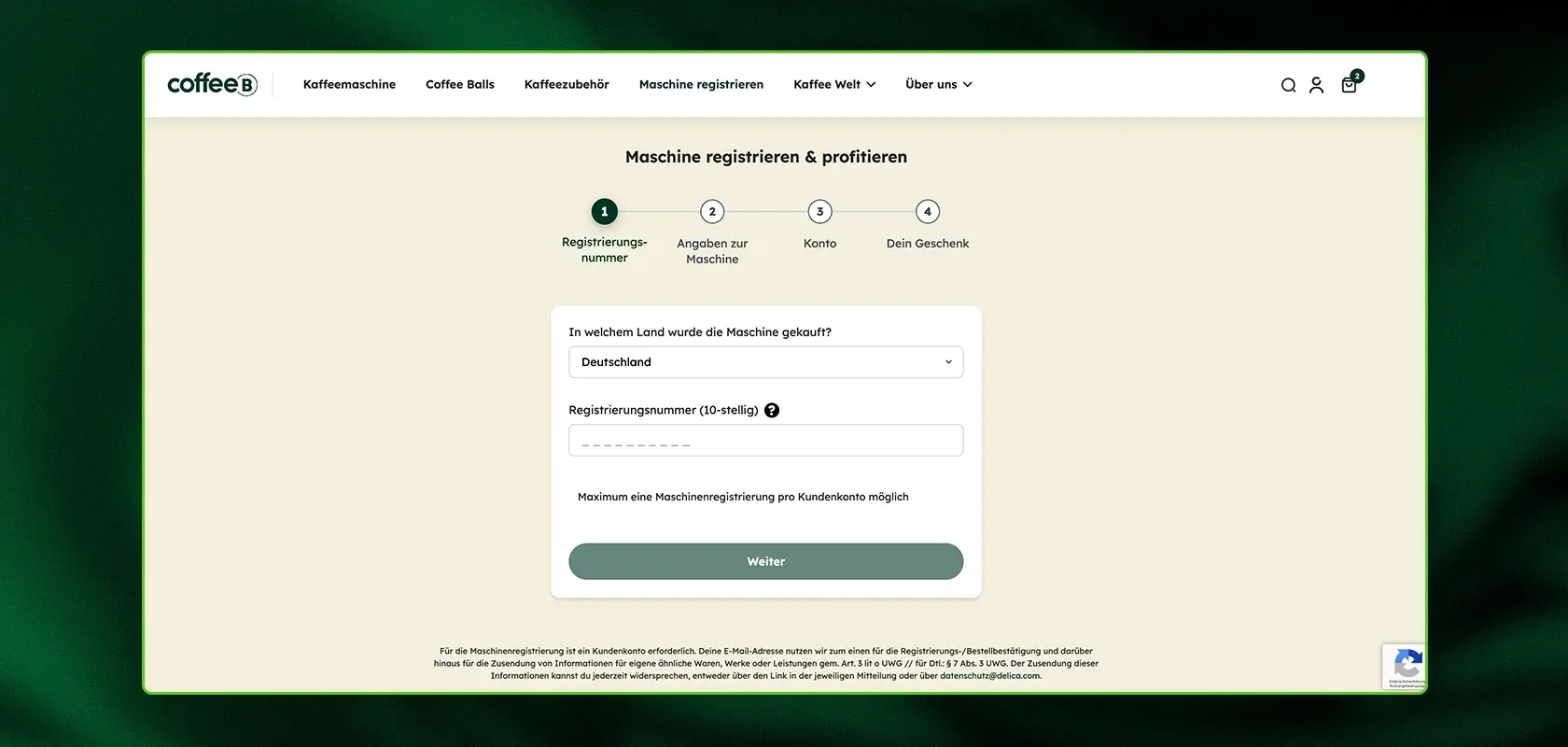
A key feature for the coffee brands is the registration of coffee machines by customers. This process was fully implemented on the front end and integrated with the existing system infrastructure. This allows users to register their devices immediately after purchase and take advantage of related services or benefits.
Login Integration
Another key component was the integration of an external login system. A single sign-on process was implemented that is managed outside of Shopify but seamlessly integrated into the store’s frontend. This allows existing user accounts to continue being used without the need to create new customer data.
Data Migration
The migration of existing store data also played a central role in the project. The Shopify tool Matrixify was used to transfer the data. Among other things, product data, customer data, and historical orders were migrated from the old system.
To make the transition as smooth as possible, the team began preparing the data very early in the project.
“We basically started exporting data from the old system in week one,” recalls Lundrim.
This early preparation proved to be a key factor in a successful and structured migration.
App integration and technical infrastructure
To optimally tailor Shopify Plus’s functionality to the needs of the various stores, several apps and integrations were implemented. These expand the platform’s standard features and ensure that core business processes can be efficiently managed.
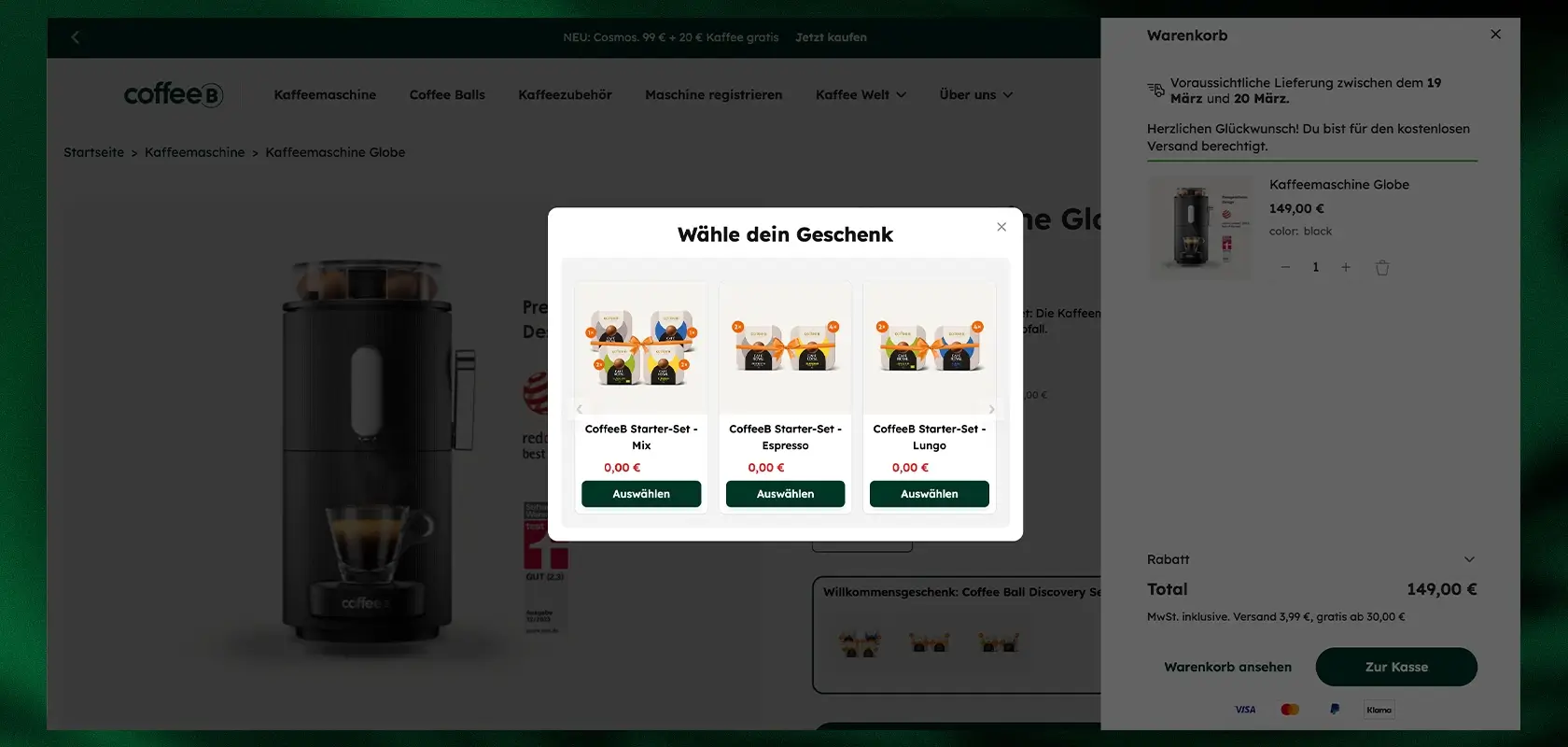
In addition to the aforementioned Matrixify, the most important apps in the setup included the Bogos app, which was required for promotional and gift mechanics. This allows bonus items or gifts to be automatically offered with certain orders.
Another key tool is Channable, which is used to manage product feeds and facilitates integration with external sales channels. In addition, a custom integration was implemented for the Emarsys marketing automation system, allowing relevant store events to be directly incorporated into marketing and CRM processes.
The team also uses Shopify’s GraphQL interfaces for data exchange between different systems. This allows data to be retrieved efficiently and integrated into existing system landscapes.
Reading tip: The best Shopify apps: We provide an overview of the tools in the Shopify ecosystem.
Results After the Launch
The first positive effects were evident shortly after the launch. The difference in the platform’s stability was particularly noticeable. While the old system had repeatedly experienced issues during peak sales periods, the new Shopify store ran reliably—even during periods of exceptionally high sales volume.
“We had no downtime, neither on Black Friday nor during the holiday season,” reports Lundrim Hyseni.
From a business perspective, the relaunch was also a success: Following the launch, the Delizio shop recorded the most successful sales year in its history. At the same time, the number of support cases dropped significantly, indicating a more stable platform and an improved user experience.
Outlook: What’s planned for the future?
Following the successful migration, Delica AG is now focusing on the continuous development of its existing stores. The goal is to expand the platform step by step and tap into additional potential in e-commerce.
Key priorities include new upselling features that allow customers to be offered complementary products in a targeted manner. At the same time, the team is working to further optimize existing shop processes and make the user interface even more intuitive. Another key focus is the continuous improvement of the customer experience to enhance the shopping experience for customers.
At the same time, the parent Migros Group is also exploring whether other existing stores could be migrated to Shopify Plus in the long term. While the immediate focus is on stabilizing and further developing the platforms that have already been migrated, Shopify could eventually play an even greater role in digital sales within the organization.
Are you also planning to migrate to Shopify or Shopify Plus? Whether it’s a multi-brand setup, international stores, or complex migrations—we’re here to support you with your Shopify project. Contact us for a no-obligation consultation, and we’ll discuss your requirements together.
