
Make full use of the built-in “Shopify Markets” tool to expand internationally without complex multi-store structures. Customize currencies, languages, and local payment methods for each country to instantly gain the trust of global buyers.
Shopify – The Foundation for Scalable E-Commerce
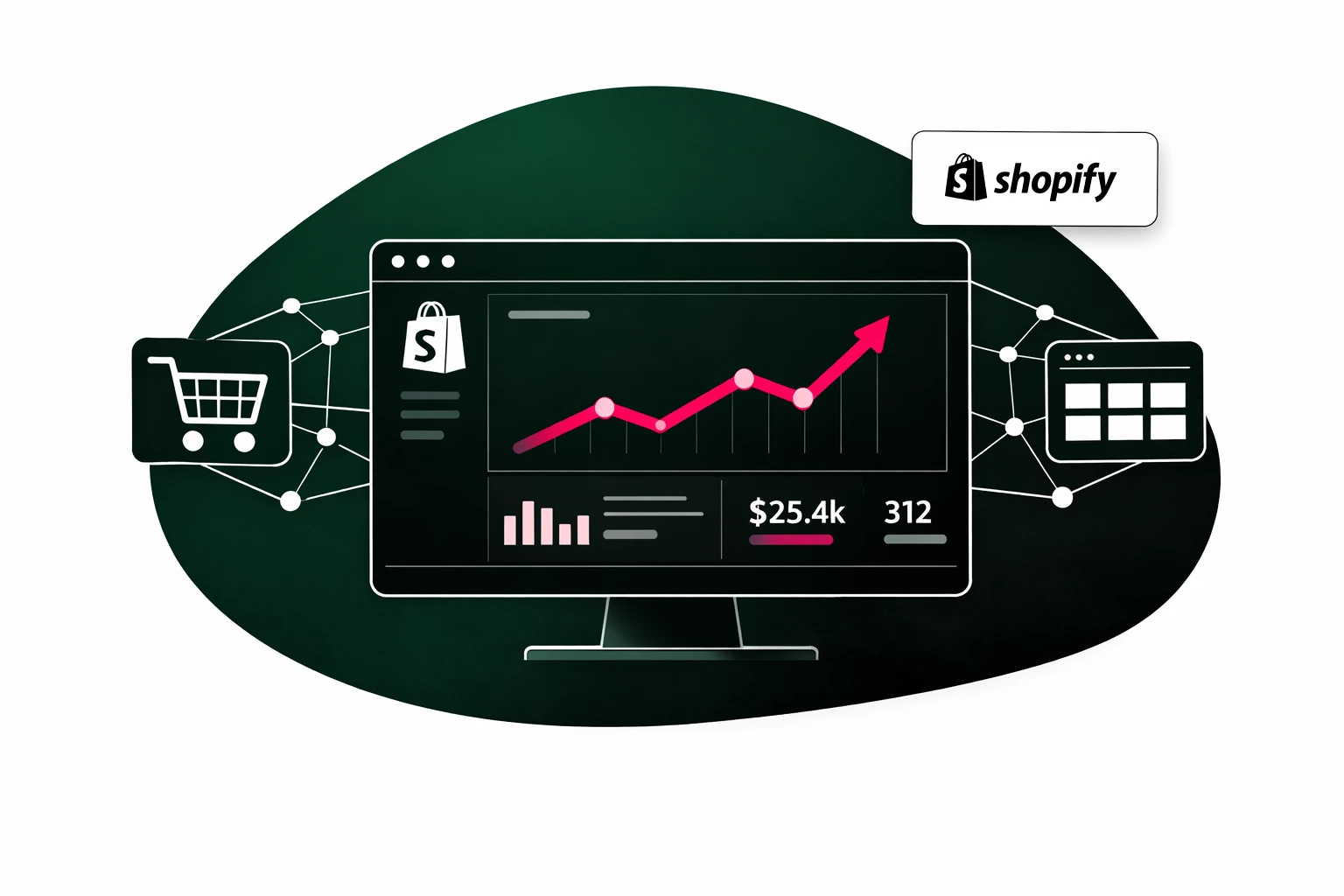
Shopify is one of the world’s leading e-commerce platforms and serves as the technical foundation for modern online stores. With a powerful infrastructure, high flexibility, and a wide range of integrations, Shopify enables brands to grow quickly and maximize their conversion rates.
From the storefront and checkout to backend processes, Shopify offers everything needed for a seamless shopping experience.
We support you in setting up, optimizing, and scaling your Shopify store—for sustainable growth and maximum performance.
The Benefits at a Glance
![Checkbox Icon]()
Scalable infrastructure
Perfect for growing brands.![Checkbox Icon]()
Fast go-live
Efficient implementation without long development times.![Checkbox Icon]()
Flexible ecosystem
Wide selection of apps and integrations.![Checkbox Icon]()
Optimized checkout
High conversion rates thanks to proven processes.![Checkbox Icon]()
International scalability
Multi-store and multi-currency support.
💡 Expert Tip:
These brands rely on Shopify
In the e-commerce ecosystem, Shopify is the gold standard for maximum scalability and flexibility. Many of our most successful clients rely on the platform to rapidly drive their online growth and effortlessly implement even the most complex store architectures


mymuesli
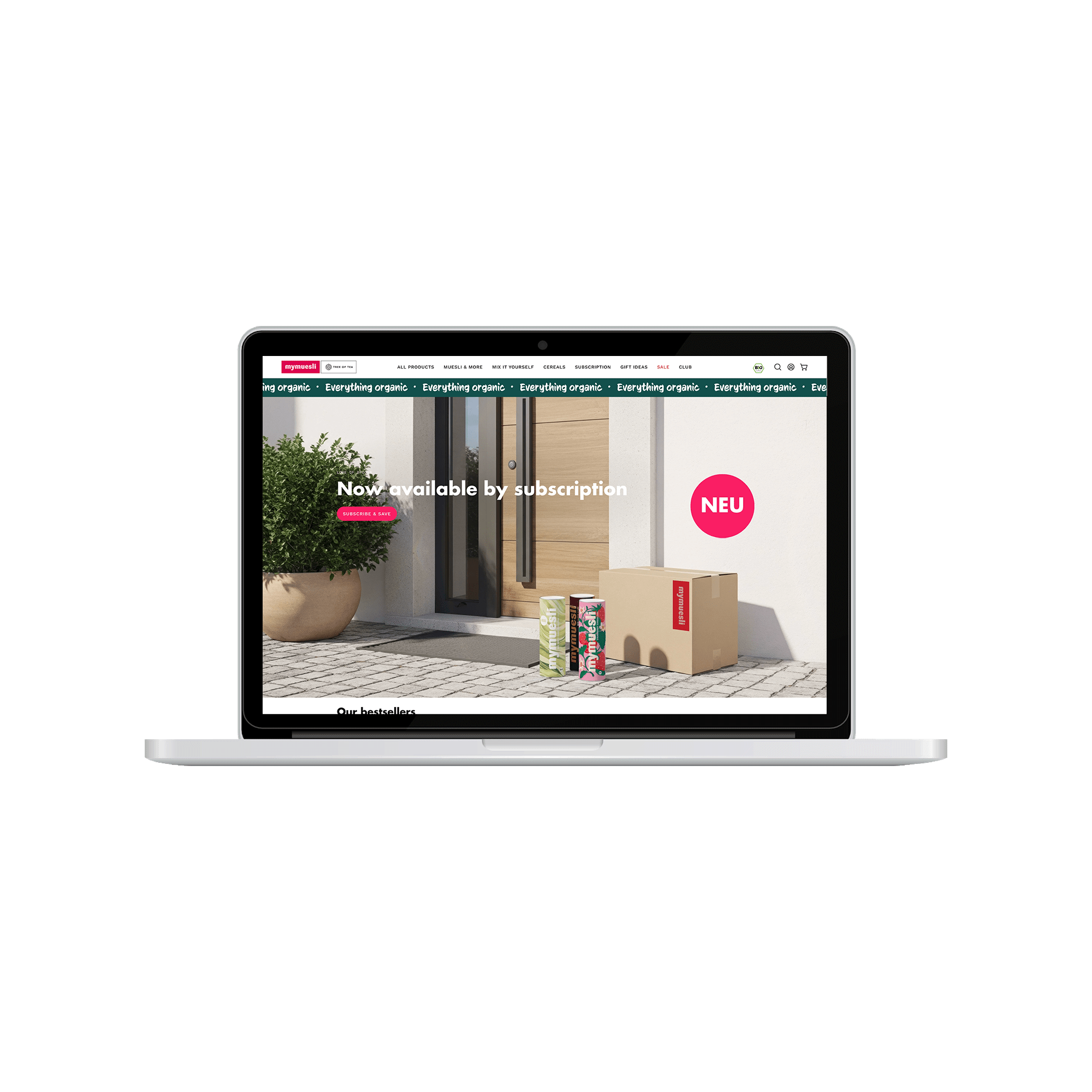
Latori developed a technically sophisticated, custom-built Shopify solution for mymuesli. A highlight of the project is the custom-programmed muesli mixer configurator (3D), which turns the ordering process into a highly personalized experience. Thanks to the development of its own app, the mymuesli team now enjoys maximum independence in managing the store and can flexibly make adjustments on its own.
HUNTER
HUNTER, the renowned manufacturer of premium pet supplies, made the switch from Shopware to Shopify Plus with Latori—using a state-of-the-art headless commerce approach powered by Shopify Hydrogen. In addition to the seamless implementation of multilingual support, the site stands out for its custom-developed features: Customers can now create individual pet profiles and have products personalized directly through a configurator.
fahrrad.de
A truly massive project completed in record time: Latori carried out the complete migration from Salesforce to Shopify Plus for fahrrad.de in just six weeks. The project involved setting up six fully functional online stores in multiple languages and creating a seamless POS integration for the retail locations. Smart integrations for bike leasing and financing, as well as tools like Klaviyo and Gorgias, round out this sophisticated store setup.
Let's talk!
ADVICE FROM SHOPIFY EXPERTS!
)
Co-Founder & CEO
)
Consultant
FAQs About Shopify & E-Commerce
What is Shopify?
Shopify isn’t just store software; it’s the technological foundation of modern e-commerce setups. It allows you to quickly organize digital sales processes, expand them flexibly, and scale them efficiently—without getting bogged down in technical complexity.
What features should a well-designed Shopify store have?
A well-designed Shopify store should feature clear navigation, fast loading times, and a mobile-optimized design so that users can easily find and purchase products. High-quality product presentation with compelling images, clear descriptions, and transparent information on pricing, shipping, and returns helps build trust. A simple, streamlined checkout process without unnecessary steps is also essential. Additionally, marketing and tracking features should be integrated to continuously optimize and scale the store.
Which Shopify plans are most affordable for a small business, and what are they best suited for?
The entry point for most small businesses on Shopify is the Basic plan. This plan is less about specific features and more about getting the store live and generating initial sales without technical hassle. The Grow plan becomes relevant as soon as day-to-day operations start to create friction—such as with team management or shipping optimization. The Advanced plan only makes sense when scaling requires more precise control over logistics, reporting, and international complexities.
